As South-East Asian destinations go, Laos is often overlooked in favour of its more popular neighbours. Its tourist infrastructure is certainly less developed, but that often means fewer crowds and a more authentic experience. As a smaller country, you don’t need as much time to explore some of its most beautiful places, especially considering I spent over a month each in Thailand and Vietnam and felt like I’d barely scratched their surfaces. Laos has some stunning natural beauty and a history as fascinating as anywhere else I’ve been, but it does feel like most of its visitors concentrate in a small number of places. I didn’t exactly get off the beaten track when travelling around Laos, but for a first-time visit, I think this itinerary does give a lovely overview of what it can offer. If I had more time (and a bigger budget) I would have loved to explore more of Laos’ more hidden gems – and I do think this is one of the few countries in this part of the world that can genuinely say they still have actual hidden gems where few visitors go.
You could easily fit this Laos itinerary into ten days if you’re pressed for time, but as I get older I definitely love to take things a little more easily and give myself more down time instead of always rushing to the next place or activity. Also, travelling in Laos isn’t as comfortable as neighbouring Thailand or Vietnam, so prepare for more delays and bumpier roads.
This itinerary only covers the northern part of Laos. If I had had longer, I would have loved to head south to the beautiful-looking Don Det area, which is a popular place to cross between Cambodia and Laos. Despite being not too far away from the border there, I was heading from Cambodia down into Vietnam, so I didn’t take this route.
Disclaimer: this website contains affiliate links. If you click on these links and make a purchase or booking, I will earn a small commission at no extra cost to you. This helps me to continue this blog and help wildlife around the world!

Where to start your Laos itinerary
The starting point of your adventure in Laos will heavily depend on where you’re coming from. If you’re flying from abroad, you will most likely arrive in Vientiane, unless you’re coming from northern Vietnam, in which case you can also choose to fly to Luang Prabang as it’s a shorter distance. However, there are other ways to get to Laos if you’re already in one of the neighbouring countries. As I mentioned above, many travellers cross from Cambodia into southern Laos through Don Det. Another very popular border crossing is from northern Thailand on the famous multi-day slow boat experience that ends in Luang Prabang.
If you plan to cross overland at any other point, you’ll need to be absolutely certain that you have the right visa for that particular crossing, as not all border points accept tourist visas. I’ll go into more detail on this later in the post.
I personally started in Luang Prabang after flying there from Vietnam, so for this itinerary I will detail the path I took through Laos.
Luang Prabang – 3 Days
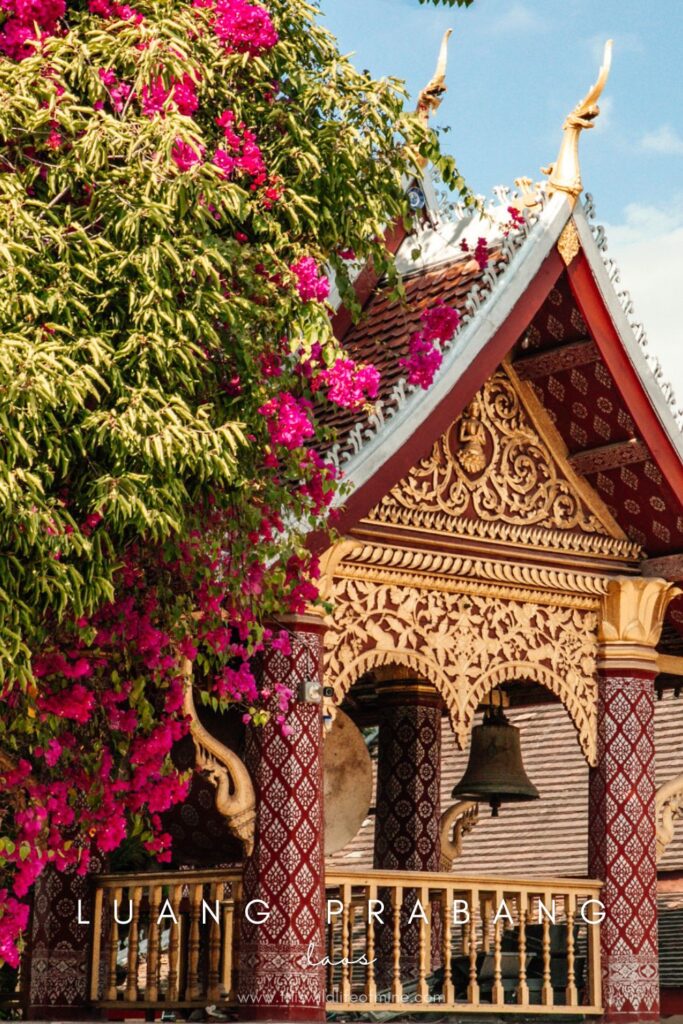
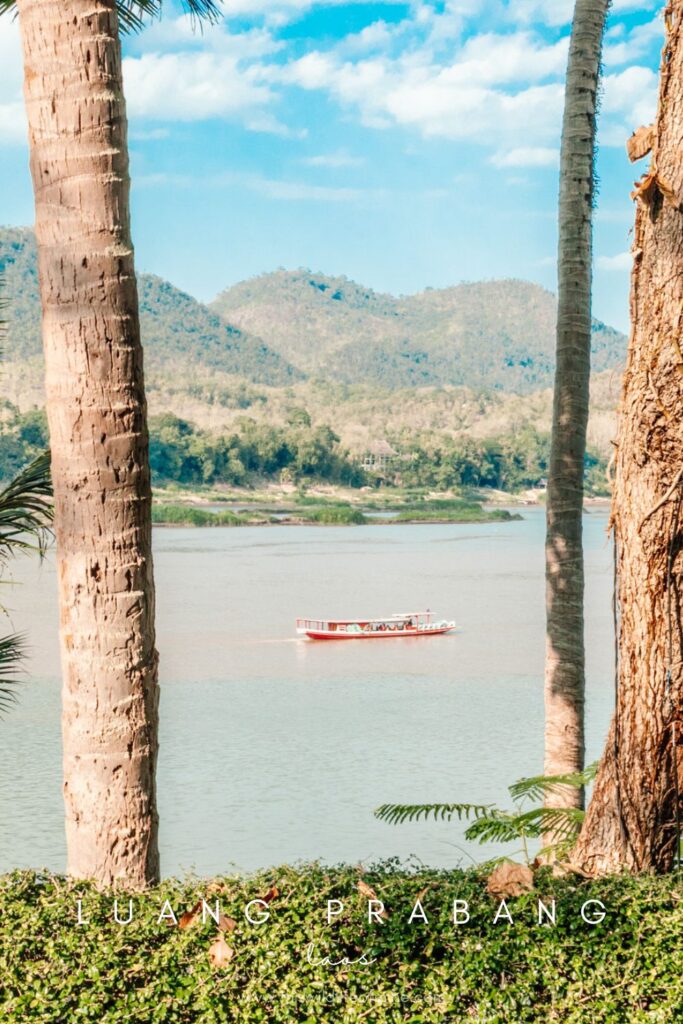
Looking back, it’s actually a pity that Luang Prabang was my first stop in Laos, as it was by far my favourite place in the country. I ended up spending over a week there during two separate visits as I loved the slow, chill vibe there so much (and I was pretty burned out to be honest after several months travelling around South East Asia so I needed the downtime). You really only need one day to see the old capital itself. Spend your time visiting some absolutely beautiful temples, wandering the Royal Palace and watching sunset from the top of Phousi Hill, followed by a stroll through the Night Market that fills the main street every evening. Then take another day to visit the Kuang Si Waterfalls. You can also take a boat trip along the Mekong to the Pak Ou Caves. Luang Prabang also has some amazing restaurants and cafes, particularly if you’ve been travelling in Asia for a while and are craving some western food.
Read the full post: Why you need to visit Luang Prabang
Where I stayed: Downtown Hostel. Just a short walk from the centre, on a quiet street, this clean and comfortable hostel is fantastic value. If you’re looking for private or more upscale accommodation, there are some beautiful hotels as well, like this one right on the main market street of the town.


Nong Khiaw – 3 Days
Getting to Nong Khiaw from Luang Prabang involves a dusty ride to the bus terminal south of the town centre, then a very bumpy four-hour journey in packed minibuses on winding roads. There are multiple departures each day.
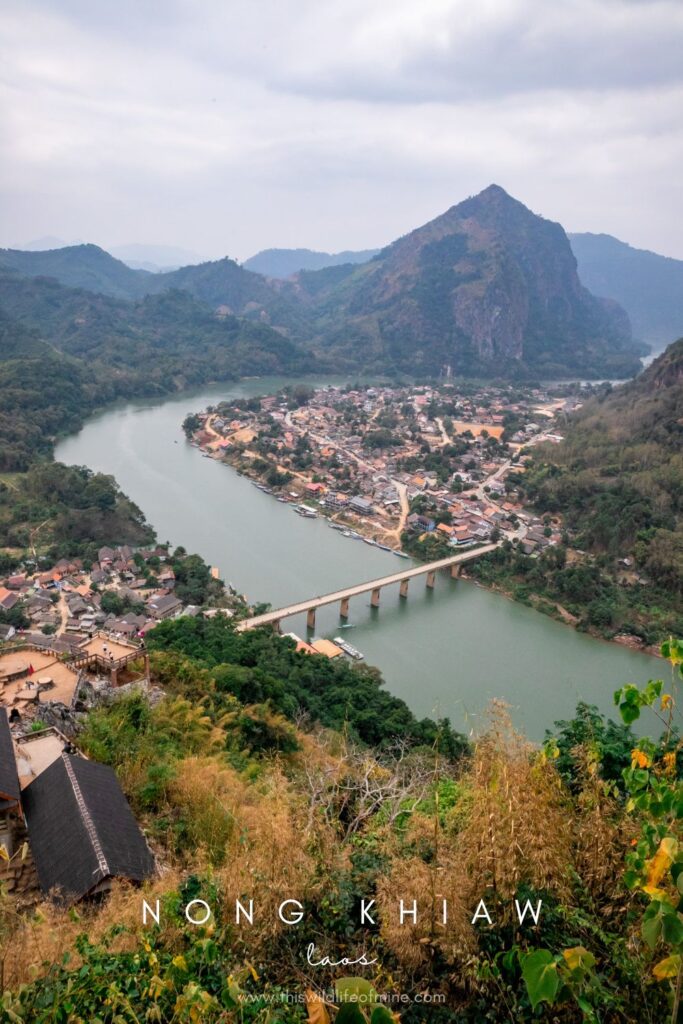
Nong Khiaw is definitely getting more popular with visitors, but it still doesn’t see the crowds of places like Vang Vieng. Because of this, it’s not as commercial and built up, so it feels a lot more authentic. Some streets are still dirt tracks and you’ll see more locals going about their daily lives. But there’s still plenty to do here – if you like nature and hiking, that is. If that suits you, you could easily add a whole week here to your Laos itinerary exploring all the trails and surrounds.

This is a hiker’s paradise, with sharp peaks and fog-filled valleys giving incredible views. There are many trails to choose from, so whether you want a short (but steep) walk to a beautiful viewpoint, or a multi-day adventure going where very few others roam, you’ll find something to satisfy. I spent a few days taking in the calm, fresh air of the town and going on multiple short hikes (I did not feel physically able for longer treks, but still thoroughly enjoyed the trails I did). Many of the trails start in or close to the town, making them really accessible.
I recommend visiting the Phathok Caves, a 30-minute walk from town, where you can see more of Laos’ fascinatingly dark history, with bomb fragments and cave dwellings telling the story of what many of the country’s older residents were forced to live through. Taking a boat tour to Muang Ngoy was also a highlight of the trip for me, with gorgeous views, a cute little village I wanted to spend more time in and yet more stunning view points at the top of tiring trails.


Where I stayed: Eco Farm Stay Hostel. When I visited Nong Khiaw, there wasn’t a huge range of backpacker hostels open, but I was still really happy with this hostel just a few minutes’ walk from town. The open air layout made me feel like I was staying right in nature. However, there are now a lot more hostels open in Non Khiaw, so there’s more choice available. There are also plenty of hotels and guesthouses in the area, including these gorgeous-looking cabins floating on the river!


Vang Vieng – 3 Days
Once you’ve hiked to your heart’s content, you’ll need to take your tired legs south again. I recommend staying another night in Luang Prabang, otherwise it’s a very long travel day (that passes through LP anyway).
Many people I’ve talked to say that Vang Vieng is their favourite place in Laos. Whether you love, hate or are ambivalent about this town really depends on two things, in my opinion – the type of traveller you are, and how long you’ve been on the road. If you are a social butterfly, love adrenaline-filled activities and have a higher budget, then you could spend a week or more here. On the other hand, if, like me, you are not the most sociable person in the world, are a little travel-weary and don’t feel like paying for multiple activities that could be done in many other places in the world, then you may leave feeling baffled by the love this town seems to get.
That said, this is the country’s adventure capital, and no Laos itinerary would be complete without it. The three most popular things to do in Vang Vieng are visiting the many lagoons in the area, taking a hot air balloon ride at sunset and tubing (with drink in hand) down the Nam Song River that flows through the town. You can also go kayaking, zip-lining and hike to the famous Nam Xay viewpoint and its perfectly placed motorbikes.


My biggest problem with Vang Vieng was that because I don’t drive scooters, I would be reliant on more expensive private drivers or organised group tours to visit the lagoons and hiking trails, and I just didn’t feel up for that, so I did end up missing out on a lot of the best activities here. But if you’re comfortable renting your own transport, then there’s so much you can explore here.
One of the best free activities close to town is to visit the Tham Chang Cave, which is across a lovely bridge and is a great viewpoint near sunset for watching the hot air balloons fill the sky. However, my already-low opinion of Vang Vieng was worsened considerably by the presence of an elephant mother and her calf in chains near the entrance, their owner sitting up on her back waiting for tourists to pay for photos and/or rides. Nearby, a monkey was chained to a tree in a similar position. Please, PLEASE do not support things like this – these animals belong in the wild and any interaction with them only encourages their owners to keep them and possibly find more animals in the future to earn money with.
Where I stayed: Golden Dragon House Hostel. I liked this hostel, right in the middle of town and an easy walk to restaurants and shops. The free breakfast was impressively hearty. As a backpacker haven, Vang Vieng has a lot of hostels to choose from, but there are also some very nice hotels that are surprisingly budget-friendly.
Vientiane – 1-2 Days
Getting between Vang Vieng and Vientiane is really simple, with multiple bus departures every day. Another option is to take the fairly new train, from the spotlessly clean station a short drive outside Vang Vieng. I jumped at the chance to not squeeze into another cramped minibus hurtling along winding roads, but there is a downside to taking the fast, smooth train – the security checks. Now, 99.9% of people won’t bat an eyelid at this, but since I usually travel with a small pen knife (very useful at times), I wish I’d known about this in advance. Since the pen knife goes into my large backpack on flights, it’s never been an issue, but when it was picked up on the scanners going into the train station, an unsmiling guard made me take it out and surrender it to her. Considering the pen knife had been a gift from a close family friend, I was very disappointed about this.
As I mentioned above, I do wish Luang Prabang wasn’t the first place I visited in Laos, as I think I would have appreciated Vientiane (and Vang Vieng) more if they weren’t the last places on my itinerary. As capital cities go, Laos’ wouldn’t be my favourite, but it’s interesting enough to walk around for an afternoon. You don’t need two full days here, but there are a few places in the city worth visiting, such as the COPE Visitor Centre, some of the beautiful temples and the night market near the river.
A fun half-day trip is Buddha Park (Wat Xieng Khouane Luang), about half an hour’s drive outside the city on the banks of the Mekong. You can take a bus there and back, and spend a couple of hours wandering around this park filled with Buddha statues in various poses, or else join a guided city tour that brings you there and back. Back in the city, there are some nice cafes to relax in; I quite liked the Joma Bakery Cafe on Rue Setthathilath. In general, I would consider Vientiane more as a gateway to Laos or Thailand than a destination in itself, but maybe I just didn’t get to know it well enough.
It’s also quite an experience to walk by the river and look across to Thailand on the other side.
Where I stayed: House of Jars Hostel. I really liked this little place to the north of the downtown area. Though there’s not much around it, it’s not a far walk to the main attractions and it was quiet and spotlessly clean, with really lovely staff. There are several other hostels in the city to choose from, too.


Practical Information:
- Language: The main language in Laos is Lao, though many people speak at least some English, especially in hotels, restaurants and tourist areas. A few basic Lao phrases are always appreciated – even a simple “sabaidee” (hello) or “khop chai” (thank you) goes a long way.
- Currency: The local currency is the Lao kip (LAK). Cash is still king, particularly outside the main tourist spots, and certainly in the markets and on public transport. Try to hang on to small kip notes for these occasions, as sometimes bigger ones will be refused if they don’t have a lot of change.
- Weather: Laos has a tropical climate with a dry season (November to April) and a wet season (May to October). The coolest, most comfortable months to visit are between November and February, while March and April can be very hot. The rain brings lush scenery, but also slippery paths, so pack accordingly.
- Getting around: It’s pretty easy to organise buses and trains around Laos if you’re following this itinerary. These places – i.e. the main tourist areas – are well-connected. 12go.asia is one of the best websites to book tickets on throughout South East Asia, but you can also book journeys through your accommodation (many hostels also include transport to the bus stations if you book through them as well). Within the towns and cities themselves, most attractions are within walking distance no matter where you are, but if you need to travel a bit further, the easiest mode of transport is the songthaew, which is basically a larger tuk-tuk and a very common and cheap way for both locals and tourists to get around.
- Staying Connected: the rise of eSIMs means that it’s really easy to get online, and if you purchase one before your trip, you’ll be connected from the moment you land. I’ve used Airalo in multiple countries now – including Laos – and have always been happy with them.
I hope you find this itinerary helpful when planning your visit to Laos! Hopefully in the future I’ll be able to visit again and add a few more lesser-known places to the list.
Like this post? Pin it for later!